
Nestled in the Western Ghats of Kerala, Wayanad is a land where history unfolds quietly through mist-covered hills, ancient caves, and age-old traditions. Long before it became a sought-after destination for nature lovers and travelers, Wayanad played a significant role in shaping the cultural and historical fabric of the region.
Ancient Roots and Early Civilizations
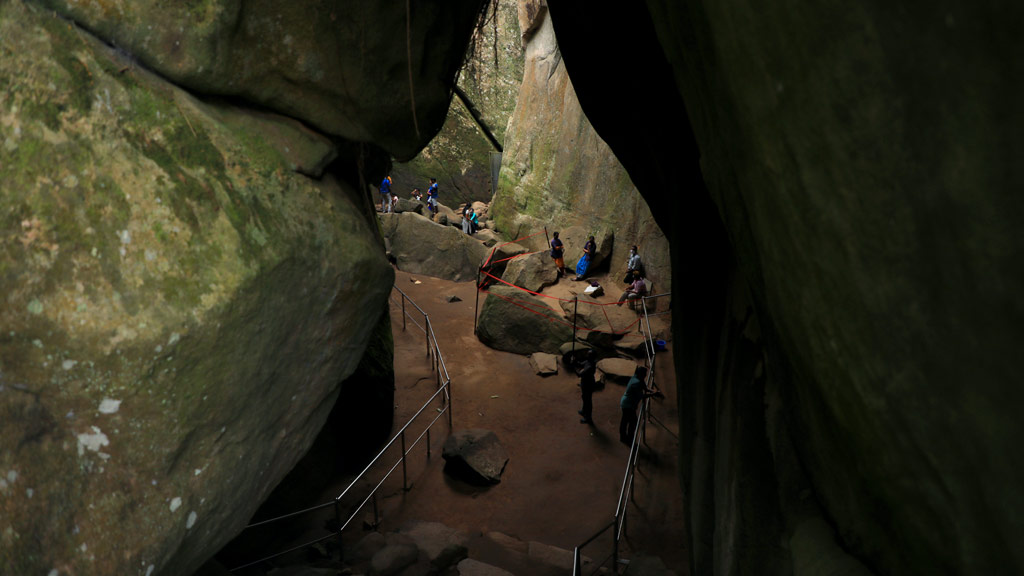
Wayanad’s history dates back to prehistoric times, as evidenced by the famous Edakkal Caves. These caves contain stone-age carvings and inscriptions that are believed to be over 6,000 years old. The engravings depict human figures, animals, and symbols, offering rare insight into early human settlements in South India. These findings establish Wayanad as one of the earliest inhabited regions in Kerala.
Tribal Heritage and Indigenous Culture
For centuries, Wayanad has been home to several indigenous tribal communities such as the Paniyas, Kurichiyas, Adiyas, and Kattunayakans. These communities lived in harmony with the forests, practicing agriculture, hunting, and traditional healing systems. Even today, their customs, rituals, and art forms form an integral part of Wayanad’s living heritage.
Medieval Period and Dynastic Rule
During the medieval era, Wayanad came under the influence of various dynasties, including the Kadambas, Gangas, and later the Vijayanagara Empire. The region was valued for its fertile land and strategic location connecting the Malabar Coast with the Deccan plateau. Local chieftains, known as Poligars, governed the area and maintained strong agrarian systems.
The Rise of Pazhassi Raja
One of the most defining chapters in Wayanad’s history is its association with Kerala Varma Pazhassi Raja, often called the “Lion of Kerala.” In the late 18th century, Wayanad became a major center of resistance against British colonial rule. Using the dense forests and hilly terrain to his advantage, Pazhassi Raja led one of the earliest guerrilla warfare movements in India, making Wayanad a symbol of courage and resistance.
Colonial Era and Plantation Economy
Under British rule, Wayanad witnessed significant changes. Large tracts of forest were cleared to establish tea, coffee, and spice plantations. Roads were constructed to improve connectivity, shaping the modern infrastructure of the region. While this period transformed Wayanad economically, it also altered its ecological balance—something that continues to influence conservation efforts today.
Wayanad Today: A Living Legacy
Today, Wayanad stands as a harmonious blend of history, culture, and natural beauty. Its ancient caves, tribal traditions, colonial remnants, and freedom struggle stories coexist with lush forests, wildlife sanctuaries, and serene landscapes. For visitors, Wayanad is not just a destination—it is a journey through time, offering a deeper connection to Kerala’s heritage.
At our resort in Wayanad, you are not just staying amidst nature; you are becoming part of a land shaped by centuries of history, resilience, and quiet beauty.