
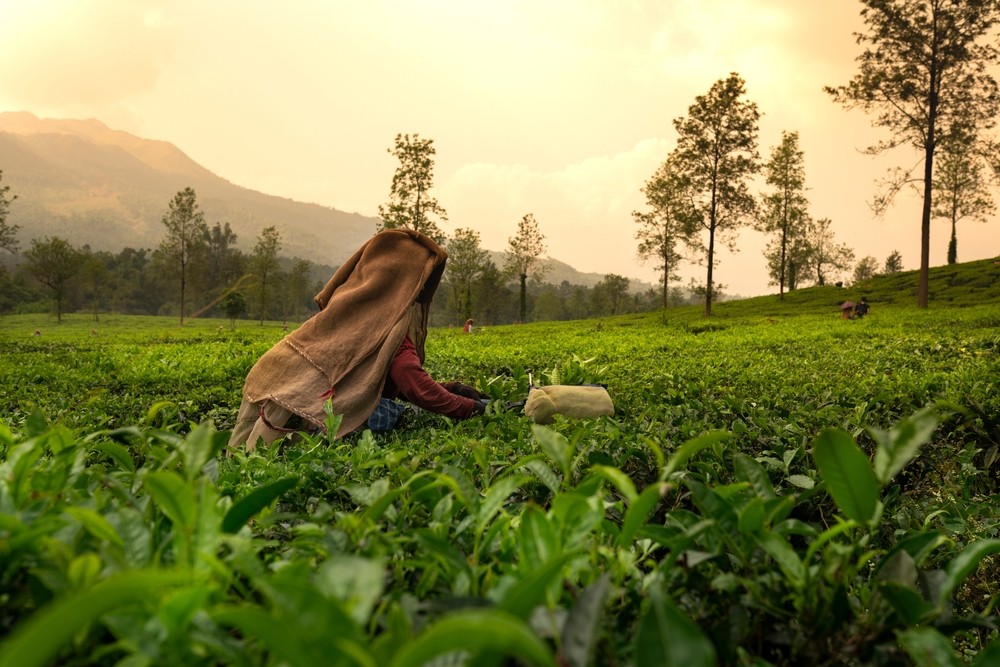
Best Time to Visit Wayanad: A Season-by-Season Guide

Wayanad is a year-round destination, but each season offers a distinct experience shaped by climate, landscape, and local life. Understanding the seasonal character of Wayanad helps travelers plan a visit that best matches their expectations—whether it is misty monsoon views, cool winter mornings, or lush summer greenery.

Monsoon (June to September): Nature at Its Peak

The monsoon transforms Wayanad into a vibrant green paradise. Waterfalls are at their fullest, forests come alive, and the hills are often wrapped in mist. This season is ideal for travelers who enjoy serene landscapes, fewer crowds, and a quiet retreat close to nature. It is also a preferred time for Ayurveda therapies and slow, immersive stays.

Post-Monsoon (October to November): Fresh and Refreshing

As the rains subside, Wayanad looks freshly washed and revitalized. Trails reopen, weather conditions improve, and sightseeing becomes more comfortable. This period offers an excellent balance between pleasant weather and lush scenery, making it suitable for short treks, plantation walks, and photography.

Winter (December to February): Cool and Comfortable

Winter is the most popular tourist season in Wayanad. The climate is cool, dry, and ideal for outdoor activities such as trekking, wildlife safaris, and sightseeing. Clear skies and gentle temperatures make this the best time for families and first-time visitors to explore the region comfortably.

Summer (March to May): Calm and Relaxed

Summers in Wayanad are milder compared to the plains, thanks to its elevation and forest cover. This season is well-suited for travelers looking for peaceful stays, early-morning excursions, and budget-friendly travel. Plantation visits and nature walks are particularly enjoyable during this time.

Choosing the Right Season for Your Stay

Each season in Wayanad offers its own rhythm and charm. Monsoon brings dramatic landscapes, winter offers comfort and clarity, while summer provides tranquility and value. Selecting the right time depends on whether you seek adventure, relaxation, or a deeper connection with nature.

A stay in Wayanad is not just about the destination—it is about experiencing the land as it changes through the seasons. Planning your visit around the season ensures a more meaningful and memorable stay in this timeless hill district.
The History of Wayanad: Where Nature and Heritage Meet

Nestled in the Western Ghats of Kerala, Wayanad is a land where history unfolds quietly through mist-covered hills, ancient caves, and age-old traditions. Long before it became a sought-after destination for nature lovers and travelers, Wayanad played a significant role in shaping the cultural and historical fabric of the region.

Ancient Roots and Early Civilizations

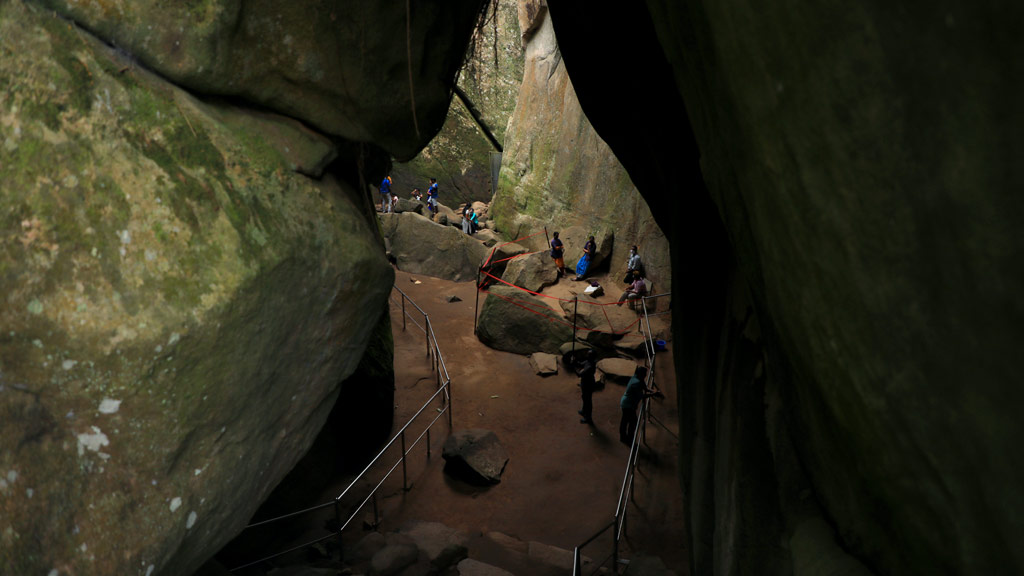
Wayanad’s history dates back to prehistoric times, as evidenced by the famous Edakkal Caves. These caves contain stone-age carvings and inscriptions that are believed to be over 6,000 years old. The engravings depict human figures, animals, and symbols, offering rare insight into early human settlements in South India. These findings establish Wayanad as one of the earliest inhabited regions in Kerala.

Tribal Heritage and Indigenous Culture

For centuries, Wayanad has been home to several indigenous tribal communities such as the Paniyas, Kurichiyas, Adiyas, and Kattunayakans. These communities lived in harmony with the forests, practicing agriculture, hunting, and traditional healing systems. Even today, their customs, rituals, and art forms form an integral part of Wayanad’s living heritage.

Medieval Period and Dynastic Rule

During the medieval era, Wayanad came under the influence of various dynasties, including the Kadambas, Gangas, and later the Vijayanagara Empire. The region was valued for its fertile land and strategic location connecting the Malabar Coast with the Deccan plateau. Local chieftains, known as Poligars, governed the area and maintained strong agrarian systems.

The Rise of Pazhassi Raja

One of the most defining chapters in Wayanad’s history is its association with Kerala Varma Pazhassi Raja, often called the “Lion of Kerala.” In the late 18th century, Wayanad became a major center of resistance against British colonial rule. Using the dense forests and hilly terrain to his advantage, Pazhassi Raja led one of the earliest guerrilla warfare movements in India, making Wayanad a symbol of courage and resistance.

Colonial Era and Plantation Economy

Under British rule, Wayanad witnessed significant changes. Large tracts of forest were cleared to establish tea, coffee, and spice plantations. Roads were constructed to improve connectivity, shaping the modern infrastructure of the region. While this period transformed Wayanad economically, it also altered its ecological balance—something that continues to influence conservation efforts today.

Wayanad Today: A Living Legacy

Today, Wayanad stands as a harmonious blend of history, culture, and natural beauty. Its ancient caves, tribal traditions, colonial remnants, and freedom struggle stories coexist with lush forests, wildlife sanctuaries, and serene landscapes. For visitors, Wayanad is not just a destination—it is a journey through time, offering a deeper connection to Kerala’s heritage.

At our resort in Wayanad, you are not just staying amidst nature; you are becoming part of a land shaped by centuries of history, resilience, and quiet beauty.

Top 7 Tourist Attractions in Wayanad You Should Not Miss

Wayanad is one of Kerala’s most diverse travel destinations, offering a rare mix of history, wildlife, adventure, and spirituality. Whether you are a nature lover, history enthusiast, or leisure traveler, Wayanad has something to offer. Here is a brief overview of the top seven tourist spots that define the charm of this hill district.

1. Edakkal Caves

Edakkal Caves are among the most historically significant sites in South India. Known for their prehistoric rock carvings dating back thousands of years, the caves offer insight into early human civilization. A short trek leads visitors to panoramic views of the surrounding hills.

2. Banasura Sagar Dam

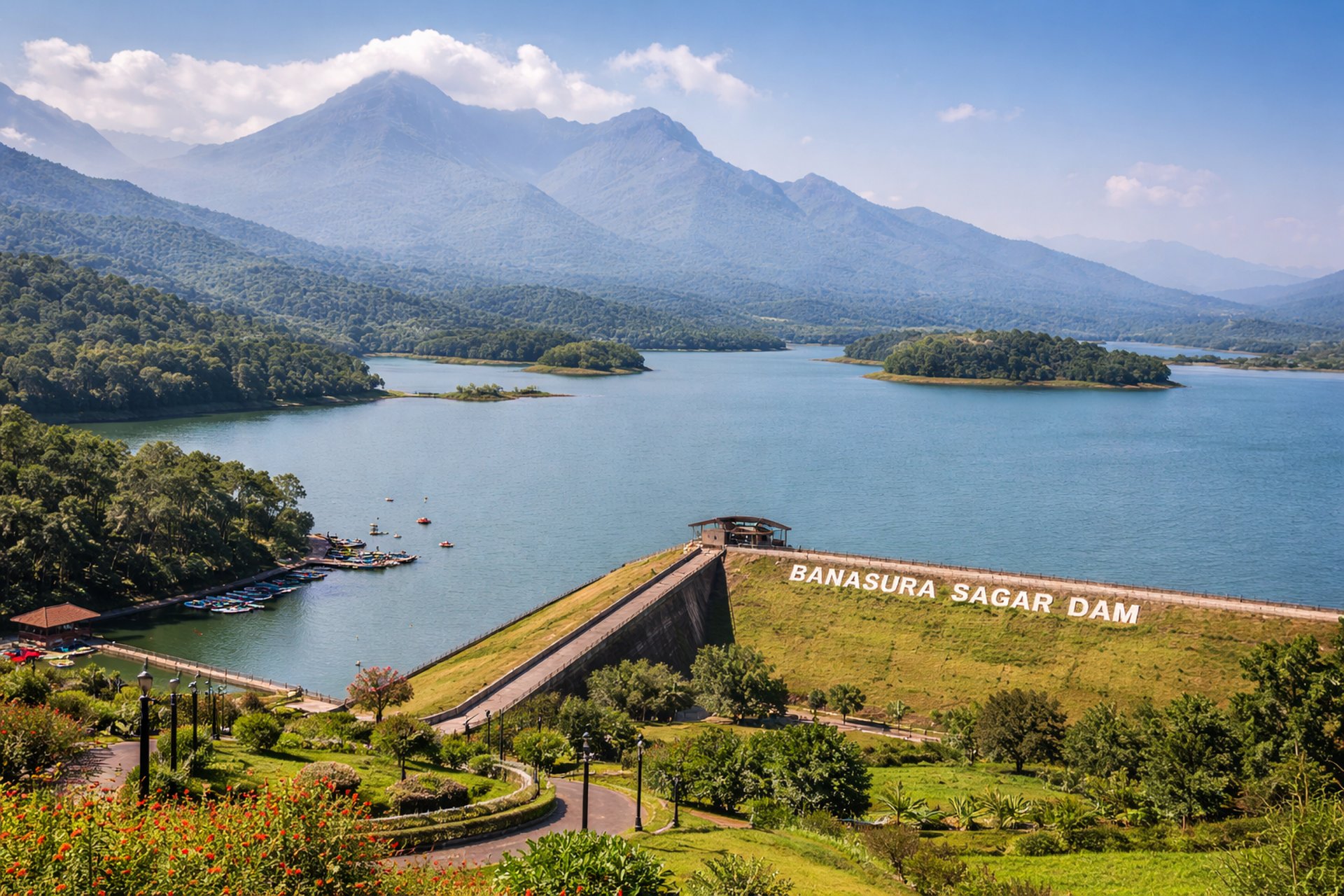
The Banasura Sagar Dam is the largest earthen dam in India and a major attraction in Wayanad. Surrounded by misty hills and dotted islands, it is an ideal spot for boating, photography, and relaxed sightseeing.

3. Chembra Peak

Chembra Peak is the highest peak in Wayanad and a favorite among trekking enthusiasts. The trek is famous for the heart-shaped lake, believed to never dry up. From the summit, visitors are rewarded with breathtaking views of the Western Ghats.

4. Wayanad Wildlife Sanctuary

Part of the Nilgiri Biosphere Reserve, the Wayanad Wildlife Sanctuary is home to elephants, deer, bison, and a wide variety of bird species. Jeep safaris offer visitors a chance to experience Wayanad’s rich biodiversity up close.

5. Soochipara Waterfalls

Also known as Sentinel Rock Waterfalls, Soochipara is a spectacular three-tier waterfall surrounded by dense forest. It is a popular destination for nature walks, photography, and refreshing dips during the monsoon and post-monsoon seasons.

6. Pookode Lake

Pookode Lake is a serene freshwater lake nestled amidst forests and hills. Pedal boating, nature trails, and a peaceful atmosphere make it an ideal spot for families and couples seeking a relaxed experience.

7. Thirunelli Temple

Located near the Brahmagiri hills, Thirunelli Temple is one of the most ancient temples in Kerala. Surrounded by forests and mountain streams, the temple is known for its spiritual significance and tranquil setting.

Experience Wayanad Beyond Sightseeing

Each of these destinations reflects a different side of Wayanad—from ancient history and wildlife to scenic landscapes and spiritual heritage. Staying in Wayanad allows you to explore these attractions at a relaxed pace while immersing yourself in the natural beauty that defines this timeless hill district.